


 3 min read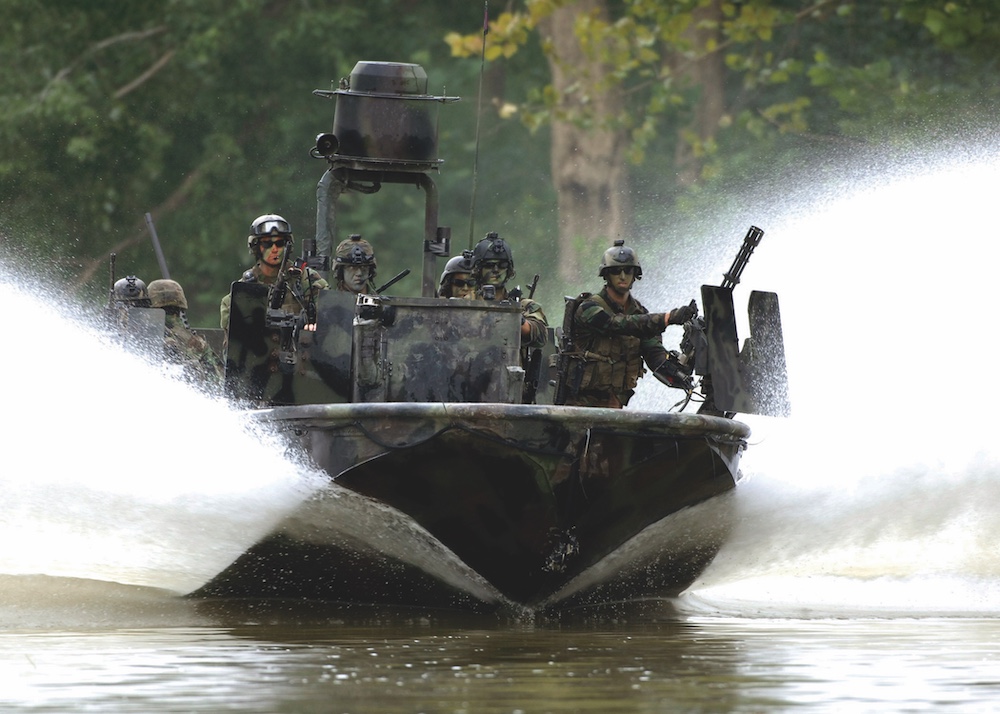
“Plot reveal: I survived.”
Those words come near the end of a testimonial written by an active duty SWCC, a 20-year veteran of Naval Special Warfare (NSW) who joined the Navy in 2005, rose from gunner and crewman to Senior Enlisted Advisor of a Special Boat Troop, and deployed multiple times to the Central, Southern, and European Theaters. He and his wife have four children.
On May 18, 2025, his troop was conducting live-fire heavy weapons training at Camp Shelby, Mississippi. In his words: “This training block is designed to be a grueling time where the new guys learn how a SWCC shoots and the re-treads knock off the rust. A lot of ammo expended and a lot of hours behind the weapons.” The heat index that day exceeded 100 degrees, compounded by the weight of full operational and ballistic equipment. The team worked from sunrise to well after sundown.
At approximately 11:30 PM, he was found unresponsive in the shower with no pulse and no breathing. He had gone into cardiac arrest. For the next 25 to 30 minutes, medics and teammates performed CPR and used an AED multiple times until an ambulance arrived and a pulse was regained. In the ambulance, he flatlined again before being revived a second time.
His wife and kids were picked up from their home two hours away and driven to the hospital. At 3:30 AM, she was told her husband had died during training. She then had to tell their children. Forty-five minutes later, a doctor came into the waiting room to say he was alive but on life support and not expected to survive. As he wrote, “My family now at least had a chance to say their final goodbyes.”
He made it through the night. And the next one.
During this time, the Navy SEAL Foundation (NSF) was already in motion. We contacted extended family members, arranged travel, lodging, and reimbursements. We covered an Airbnb for his wife and kids near the hospital for the full duration of his stay, plus three additional days for recovery before they headed home. We also provided meals and childcare throughout, so his wife could stay at his bedside.
After his release, he received an implanted defibrillator. A subsequent ER visit determined he needed home medical equipment, including blood pressure and heart rate monitoring devices, that TRICARE would not approve. The NSF paid for that as well.
In reflecting on what the NSF meant to his family, he wrote:
“As a result of my, for lack of a better term, death, while conducting my duties as an NSW SWCC operator, my family and I have experienced many hardships, from physical to psychological to monetary. My long career in this community has begun its inevitable end, sooner than I would have liked, but such is life. I look back at my accomplishments with pride and gratitude, knowing that if the Navy SEAL Foundation were not the organization it is, the end of my career would be filled with more hardships than already experienced.”
He closed his testimonial the way a SWCC would: “God, Country, and Fast Boats.”
Stories like this are why the NSF exists. When the worst happens, we are there immediately and stay as long as the family needs us to.
To learn more about how we support the NSW community, visit navysealfoundation.org/programs.